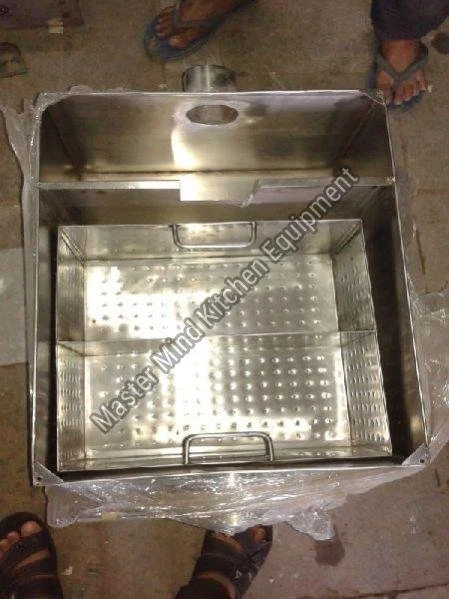
Choosing a Grease Trap
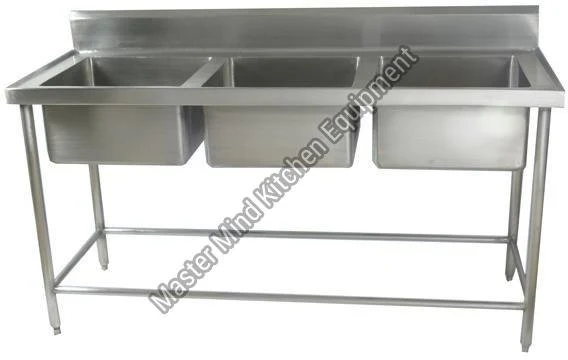
Oil and fat from washing dishes cools and hardens inside drain pipes, causing blockages and bad smells. A grease trap sits between your sinks and the drain and slows the waste water, so fat floats and is held back while water flows on. Every restaurant and canteen kitchen should have one.
Before you order, decide
- Under-sink or floor-standing: under-sink traps serve one or two sinks; bigger kitchens need a larger floor unit.
- Flow: tell us how many sinks and washing points drain into it.
- Filter basket: a removable basket catches food scraps before they reach the trap.
- Access: it must be easy to open and clean, or it will not be cleaned often enough.
Empty and clean the trap regularly, a full grease trap stops working and can overflow.